Take action on a historic building means having to deal with a delicate balance: improve the comfort and functionality without compromising the architectural identity. The walls are important, the original structures and construction constraints make each design choice is more complex than a contemporary building. In this context, the heating system is not a simple technical element, but a component which has a direct impact on the integrity of the building.
The real problem: to improve without altering
In the historic buildings, each intervention should be evaluated with caution. Operations invasive can compromise the original stonework, alter structural equilibria and adversely affect the architectural value of the building, in addition to increasing the time and complexity of the yard. For this reason, the question is not only how to warm environments, but how to do it without changing the existing structure.
The limits of traditional systems
Many heating systems commonly used are not compatible with the historical contexts. The floor heating systems, for example, often require the reconstruction of the slab, and then invasive interventions. The traditional radiators, instead, they interfere with the aesthetics of the spaces and with the distribution of the environments, while air systems tend to change the perceived quality of the indoor air. In buildings, and bound to, or characterized by a strong historical value, these solutions are likely to be difficult to apply or not consistent with the project.
What you really need in these contexts,
the Design of a facility for a historic building is to change the perspective. It is not only energy efficiency, but to find a balance between the technical and architectural interest. Become so fundamental principles: the reversibility of the intervention, the absence of invasive works, and the ability to integrate with the existing architecture and the respect of the original materials. In addition, there is an aspect that is often underestimated, but comfort has to be uniform and stable, without altering the perception of the space.
The skirting heating as an integrated solution
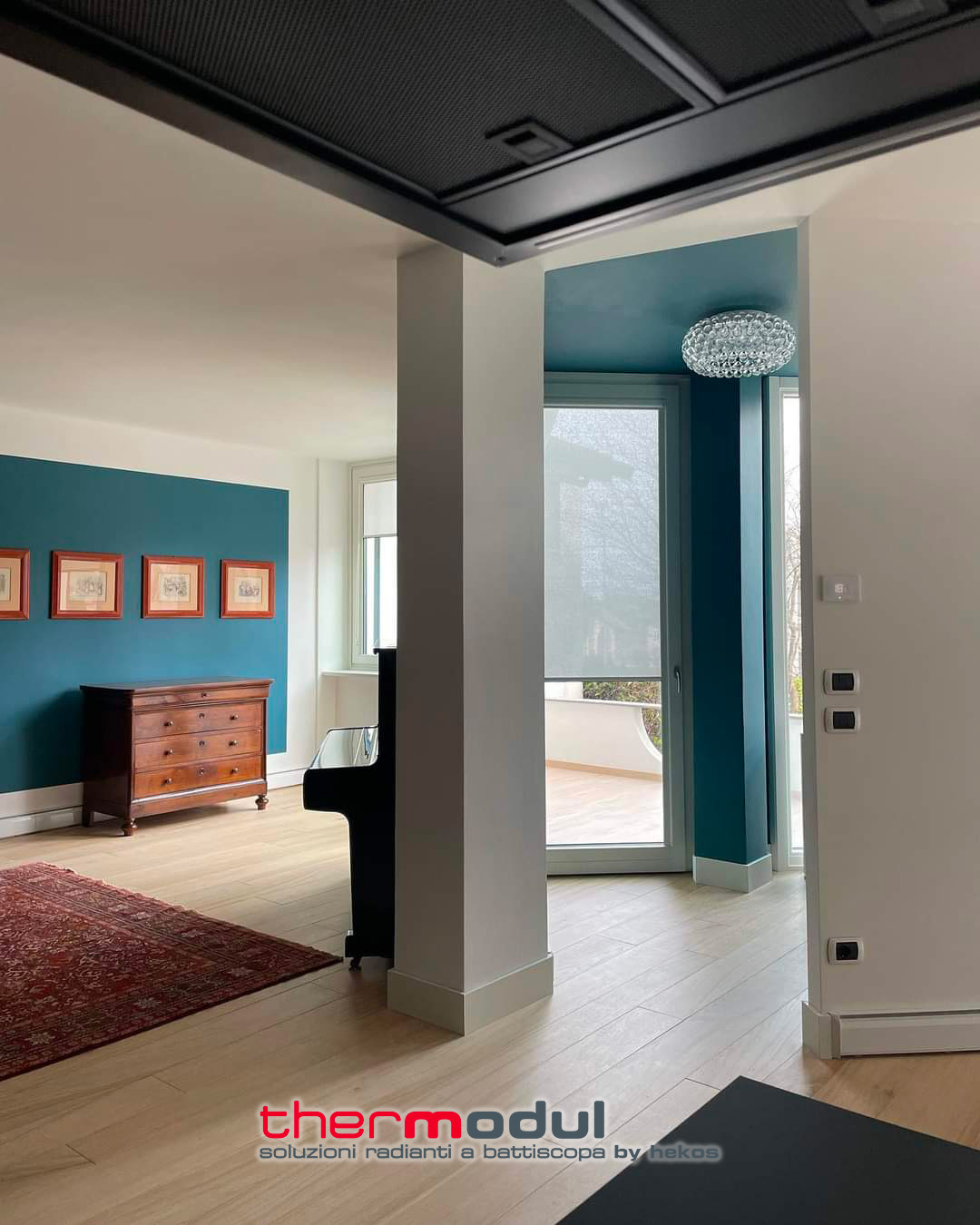
In this scenario, the skirting heating is a more suitable choice. The system of radiant baseboard Thermodul runs along the perimeter of the walls, avoiding interventions on floors and walls. This allows you to keep intact the original structure of the building, at the same time reducing the time and complexity of the surgery. The heat is distributed evenly from the bottom, helping to improve the living comfort, and creating a thermal barrier along the walls, which contrasts the dispersion. The result is a system that integrates with the discretion in the environment, without compromising their identity.
When the heater becomes part of the project
In the speeches of the most advanced, the heating system is not only a technical system, but becomes part of the architectural language. Materials, finishes, and light, interact with the distribution of the heat, contributing to the overall quality of the space. In these cases, the choice of the plant have a direct effect on the living experience and the value of the project.
A concrete example: from design to realization
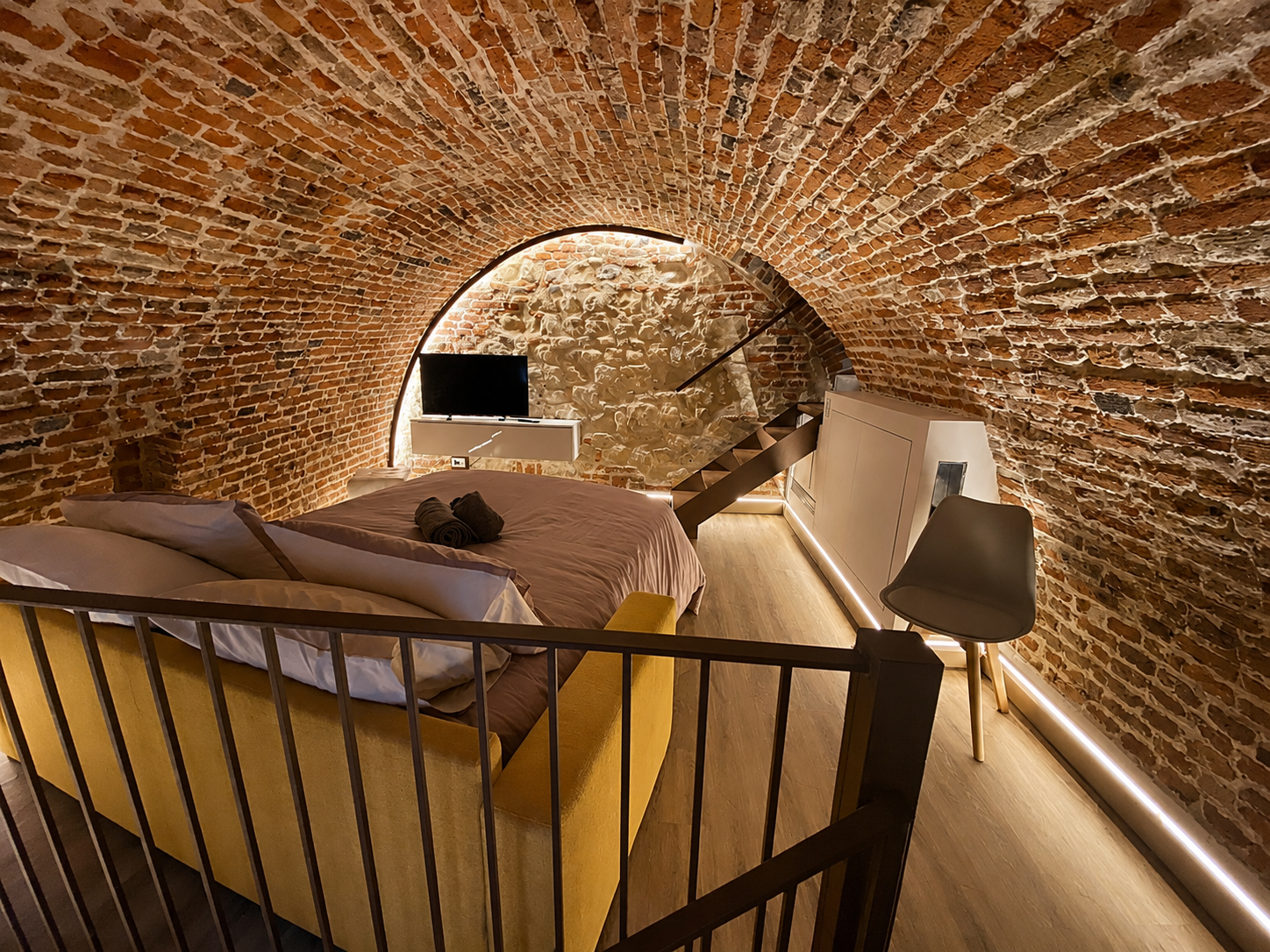
These dynamics emerge in the obvious way in redevelopment projects, where every decision has to deal with constraints concrete. In our upcoming webinar, we will explore a case study is significant: the regeneration of a Torresino in Marostica, in which the heating system has been integrated without invasive interventions, becoming an integral part of the architectural project.
Find out more in the webinar
, we delve into this topic in the webinar:
The Torresino: sentinel of the past and lighthouse design
21-May – 17:30
An opportunity to get into the detail of a real project and understand how to deal with interventions on historic buildings in an effective and respectful manner.
Sign up for the webinar => https://us06web.zoom.us/webinar/register/WN_Z7lFxReaTHq5FDrWbieoSg
Heat a building in the historic does not mean fit a standard solution, but to design a system capable of dialoguing with the existing.
Choose solutions that are not invasive and integrated allows you to enhance the comfort without compromising the architectural value, transforming the system into a component consistent of the project.
Request information without commitment.