
Renovating the house without upsetting it: Thermodul baseboard heating
Those who renovate the house often find themselves dealing with concrete constraints: walls and floors to be preserved, construction times to be respected, budget to be managed carefully. Changing the heating system, in this context, may seem like a complex and invasive operation.
Thermodul skirting board heating was created precisely to meet these needs: a system that integrates into existing spaces with minimal interventions, without massive interventions.
Why a baseboard heating is ideal under renovation
Unlike floor radiant systems, which require the complete refurbishment of the flooring, the Thermodul skirting board system is installed without extensive interventions.
This makes it a particularly suitable solution for refurbished apartments or restricted restorations.
Lower construction times and costs
Less works also means faster execution times and lower costs of restoration, inspecting and accessibility even after the works are completed.
An aspect that results in less discomfort and easier planning for those who manage the work.
comfort and design freedom, even in renovations
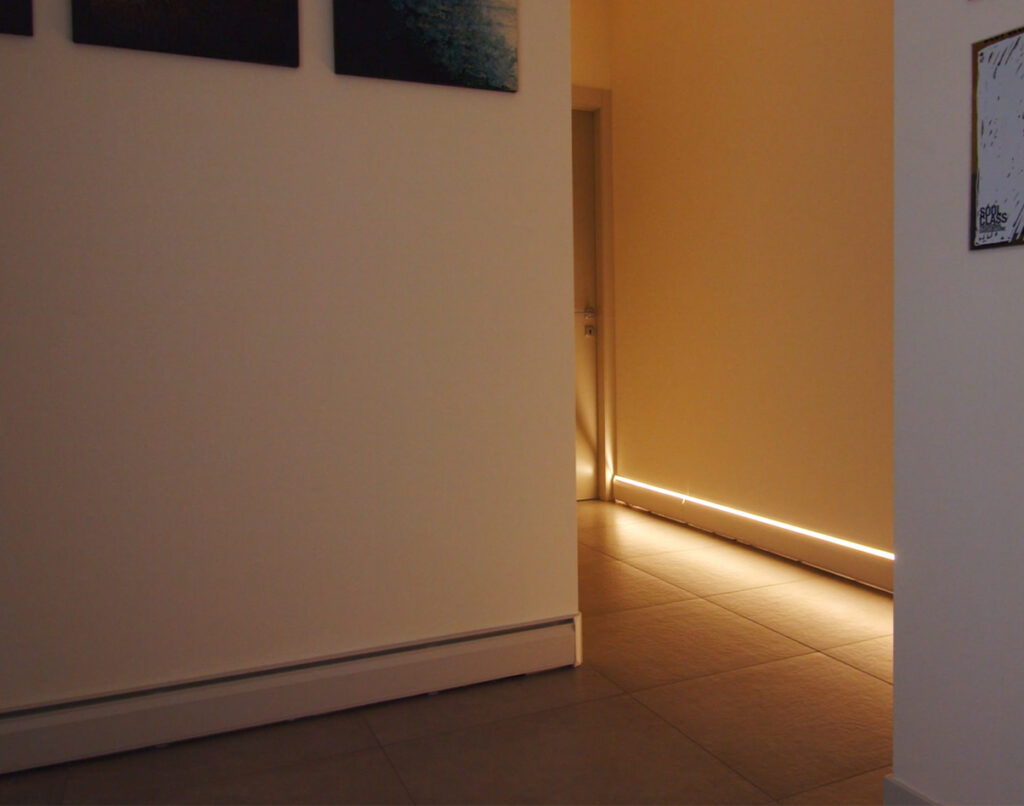
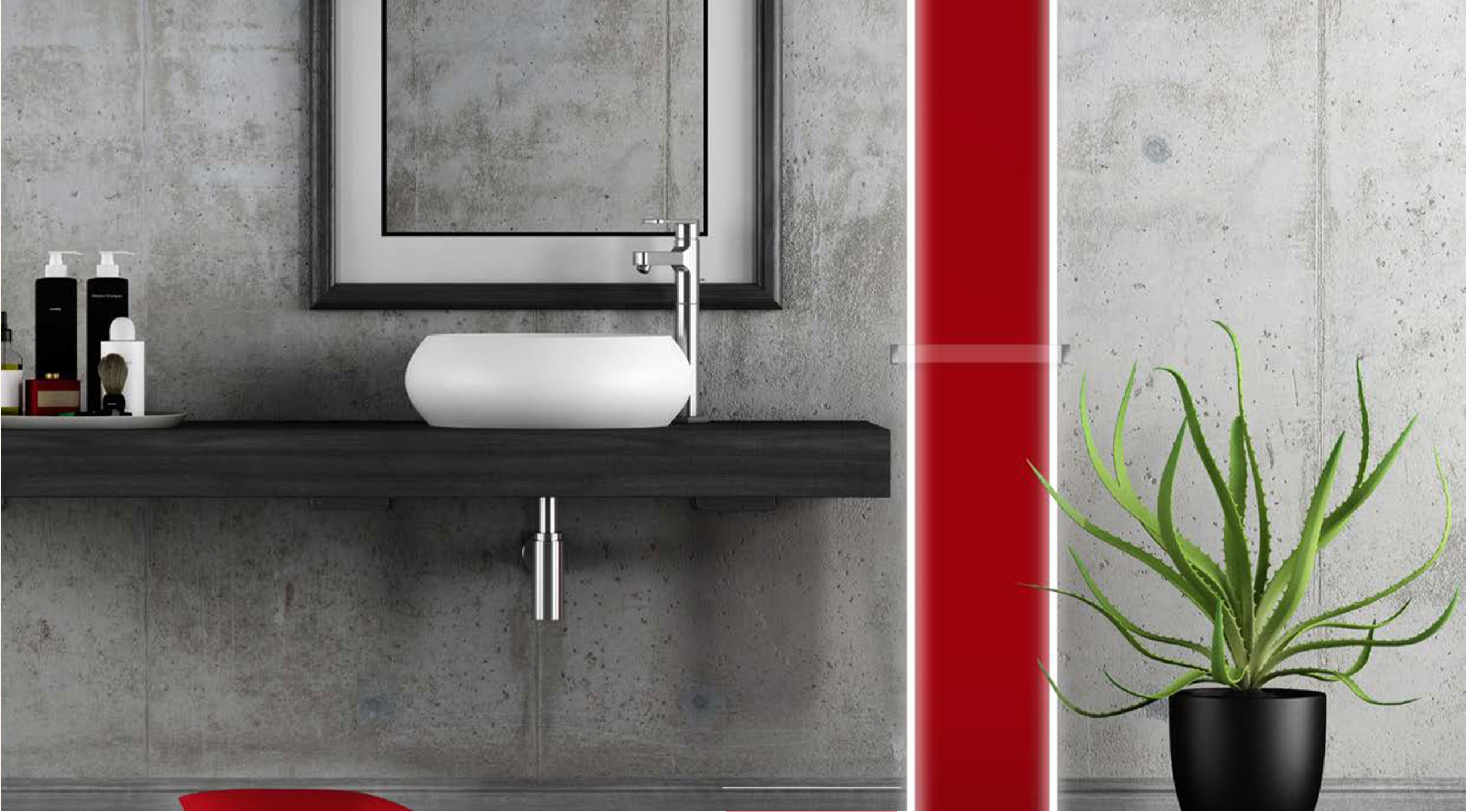
In addition to the ease of installation, Thermodul skirting board heating guarantees the same advantages that make it appreciated in new buildings: walls free from radiators, uniformly diffused heat, discreet architectural integration.
A result that allows you to renew spaces without sacrificing comfort, aesthetics and freedom in the arrangement of furnishings and accessories.
A reliable solution, designed to last
The system is designed to be simple to install and maintain over time, with components designed to ensure reliability and durability: an important added value in a renovation, where the quality of the system affects the result for many years to come.
FAQs
Is the baseboard heating suitable for a renovation without redoing the floors?
Yes. Unlike floor radiant systems, Thermodul installs along the walls without requiring the remaking of the existing flooring.
Is it also suitable for historic or bound buildings?
Yes, thanks to its minimally invasive installation it is one of the most suitable solutions in these contexts.
How much does it affect site times?
The interventions are minimal compared to a radiant floor system with a consequent reduction in recovery times and costs.